Why Cosplay Communities Are More Than Just Costumes
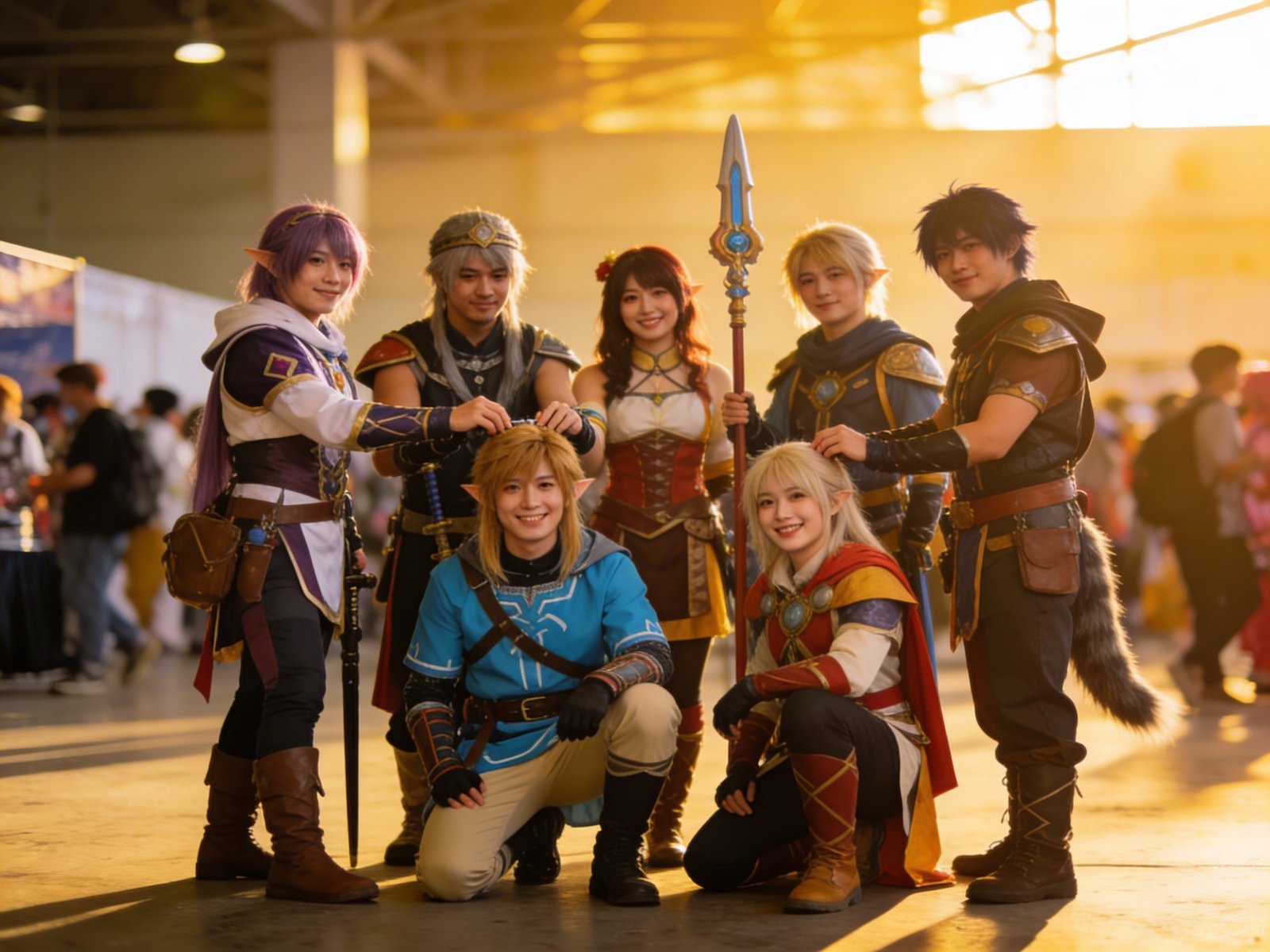
When most people think about cosplay, they picture elaborate costumes and creative outfits. But there’s so much more happening behind the scenes. Cosplay communities are powerful spaces where people find friendship, build skills, and create lasting connections that go far beyond dressing up as their favorite characters.
The heart of cosplay isn’t the costume itself – it’s the people who wear them. These communities offer something rare in today’s digital world: real, face-to-face connections with others who share your passions. Whether you’re a seasoned cosplayer or just curious about the hobby, understanding what makes these communities special reveals why they matter so much.
Building Skills and Confidence Together
One of the most valuable aspects of cosplay communities is how they help people develop practical skills. Members learn everything from sewing and crafting to makeup artistry and special effects. Unlike traditional classrooms, these skills are learned through hands-on collaboration and shared knowledge.
Experienced cosplayers often mentor newcomers, offering tips on everything from choosing fabrics to creating realistic props. This mentorship creates a supportive environment where mistakes are part of the learning process. Many cosplayers report that the confidence they gain from creating and wearing their costumes spills over into other areas of life.
The collaborative nature of cosplay means that even the most complex projects become achievable. When someone struggles with a particular technique, there’s always someone willing to help. This creates a culture of continuous improvement where everyone benefits from shared expertise.
Creating Safe Spaces for Self-Expression
Cosplay communities provide unique environments where people can explore different aspects of their identity without judgment. For many, this is the first place they feel truly accepted for who they are. The shared passion for characters and stories creates common ground that transcends typical social barriers.
These spaces are particularly important for people who feel marginalized in other areas of life. LGBTQ+ individuals, people with disabilities, and those who struggle with social anxiety often find cosplay communities to be welcoming havens. The emphasis on creativity and character rather than personal appearance or background helps break down prejudices.
The acceptance found in cosplay communities often extends beyond convention floors. Many members form lasting friendships that provide support during difficult times. This network of understanding friends can be life-changing for people who previously felt isolated or misunderstood.
The Business of Passion Projects
What starts as a hobby often evolves into something more significant. Many cosplayers develop skills that lead to professional opportunities in costume design, special effects makeup, or event planning. The cosplay community serves as a training ground for careers in entertainment and creative industries.
Some cosplayers turn their passion into successful businesses, creating and selling costume pieces, props, or tutorials. Others find work in related fields like theater production, film costume departments, or theme park entertainment. The skills developed through cosplay – project management, creative problem-solving, and attention to detail – are highly valued in many industries.
The entrepreneurial spirit within cosplay communities has led to innovations in crafting techniques and materials. Members constantly experiment with new approaches, sharing their discoveries with the community. This spirit of innovation drives the entire hobby forward, making costumes more impressive and accessible each year.
Cultural Exchange and Global Connections
Cosplay communities connect people across cultural and geographical boundaries. Through social media and international conventions, cosplayers share techniques, celebrate different interpretations of characters, and learn about various cultural perspectives on fandom. This global exchange enriches the entire community.
International cosplay events showcase how different cultures interpret the same characters, leading to fascinating variations in costume design and performance. These cultural exchanges promote understanding and appreciation for diversity within the community. Many cosplayers form international friendships that last for years.
The global nature of cosplay also means that trends and techniques spread quickly across communities. When someone in Japan develops a new wig-styling technique, cosplayers in Brazil might be trying it the next week. This rapid exchange of information keeps the community vibrant and constantly evolving.
Mental Health Benefits and Community Support
Research has shown that creative hobbies like cosplay can significantly improve mental health. The process of creating something tangible provides a sense of accomplishment and purpose. For many, working on costumes offers a healthy escape from daily stress and anxiety.
Cosplay communities often become support networks during difficult times. Members check in on each other, offer encouragement, and provide practical help when needed. This social support is crucial for mental well-being, especially in an era where many people feel increasingly isolated.
The physical activity involved in creating and wearing costumes also contributes to mental health. Standing for hours at conventions, carrying props, and the general energy of events provides exercise that many cosplayers might not get otherwise. Combined with the social interaction, this creates a powerful boost to overall well-being.
Education Through Entertainment
Cosplay communities are surprisingly educational spaces. Members learn about history through period-accurate costumes, science through special effects techniques, and engineering through prop construction. The research required to create accurate costumes often leads to unexpected learning opportunities.
Many cosplayers become experts in obscure topics as they strive for authenticity in their costumes. A person creating a medieval knight costume might learn about metallurgy, historical fighting techniques, and period-appropriate materials. This self-directed learning is often more engaging than traditional education because it’s driven by personal passion.
The educational aspect extends to teaching others. Experienced cosplayers frequently give workshops and tutorials, sharing their knowledge with the community. This peer-to-peer education creates a culture of continuous learning where everyone has something to teach and something to learn.
How Fans Turn Their Favorite Shows Into Incredible Works of Art
The creative energy in cosplay communities often leads to impressive artistic achievements. Fans don’t just replicate costumes – they create original interpretations, design new characters, and produce elaborate photoshoots that rival professional productions. This artistic expression transforms simple fandom into genuine creative achievement.
Many cosplayers collaborate on large-scale projects that require months of planning and execution. These might include group cosplays of entire casts, intricate set designs, or complex special effects makeup. The level of craftsmanship involved often surprises people who only see the finished product.
The artistic community within cosplay extends to photographers, writers, and digital artists who contribute to the creative ecosystem. These collaborations result in stunning visual stories and performances that elevate cosplay from costume-wearing to genuine artistic expression.
Technology and Innovation in Cosplay
Cosplay communities are often at the forefront of adopting new technologies. 3D printing has revolutionized prop-making, allowing for intricate designs that would be impossible by hand. LED lighting and electronic components add dynamic elements to costumes, while new materials make previously difficult techniques more accessible.
The DIY spirit of cosplay means that members constantly experiment with new tools and techniques. When a new material becomes available, cosplayers are among the first to test its applications. This spirit of innovation has led to advances that benefit other industries, from theatrical costume design to special effects in film.
Social media and online platforms have transformed how cosplay communities share information. Video tutorials, live streams of costume creation, and online workshops make knowledge accessible to anyone with an internet connection. This democratization of information has helped cosplay grow from a niche hobby to a global phenomenon.
Frequently Asked Questions (FAQ)
What exactly is cosplay?
Cosplay is short for “costume play” – it’s when people dress up as characters from movies, TV shows, video games, comics, or other media. But it’s much more than just wearing a costume; it’s about embodying the character and often creating the costume yourself.
Do I need to be good at sewing to join a cosplay community?
Not at all! Cosplay communities welcome people at all skill levels. Many members start with no crafting experience and learn as they go. There are also many ways to cosplay that don’t require sewing, like buying costumes or focusing on makeup and props.
How expensive is cosplay?
Cosplay can be as expensive or as affordable as you want it to be. Some people spend hundreds on materials, while others create amazing costumes from thrift store finds and craft supplies. The cosplay community often shares budget-friendly tips and techniques.
Are cosplay conventions safe spaces?
Most cosplay conventions prioritize creating safe, welcoming environments. However, like any large gathering, it’s important to be aware of your surroundings and follow basic safety guidelines. The cosplay community generally looks out for each other and has systems in place to address issues if they arise.
Can cosplay help with social anxiety?
Many people with social anxiety find cosplay communities to be supportive spaces where they can gradually become more comfortable in social situations. The shared interest in characters and costumes provides natural conversation starters, and many find that wearing a costume gives them confidence they might not feel otherwise.
Conclusion
Cosplay communities are far more than just groups of people wearing costumes. They’re vibrant, supportive networks where creativity flourishes, skills are developed, and lasting friendships are formed. These communities provide safe spaces for self-expression, opportunities for learning and growth, and connections that span the globe.
The impact of cosplay communities extends well beyond convention floors and photoshoots. They foster innovation in crafting techniques, promote cultural understanding, support mental health, and even launch careers in creative industries. Most importantly, they create spaces where people can be their authentic selves while celebrating the characters and stories they love.
Whether you’re interested in creating your first costume or simply curious about the phenomenon, cosplay communities offer something valuable for everyone. They remind us that shared passions can create powerful connections and that creativity knows no bounds when people come together to celebrate what they love.