How Fans Turn Their Favorite Shows Into Incredible Works of Art
When people fall in love with a TV show, something magical happens. The characters, stories, and worlds they experience don’t just stay on the screen – they spark creativity in fans who want to express their passion through art. From paintings and sculptures to digital illustrations and cosplay, fans transform their favorite shows into amazing works of art that celebrate the stories they love.
This creative connection between fans and their favorite shows has been around for decades, but the internet has made it explode in popularity. Now, artists can share their creations with fellow fans worldwide, get instant feedback, and even inspire others to create their own interpretations. The result is a vibrant, supportive community where creativity flourishes and shows live on long after their final episodes air.
What makes fan art so special is how personal it is. Each artist brings their own experiences, emotions, and artistic style to their work. Two fans might both love the same show, but their art will look completely different because they’re expressing what the show means to them individually. Some focus on capturing a character’s emotional journey, while others reimagine scenes in different art styles or create entirely new stories within the show’s universe.
The Many Forms of Fan Art
Fan art comes in countless forms, and each medium offers unique ways to express love for a show. Digital artists use tablets and software to create stunning illustrations that can range from realistic portraits to stylized cartoon versions of characters. These digital pieces often get shared on social media platforms where they can reach thousands of other fans who appreciate the same shows.
Traditional art forms remain incredibly popular too. Painters create beautiful canvases featuring scenes from their favorite episodes or symbolic representations of themes from the show. Sculptors craft detailed figurines, busts, or even full-scale props that bring fictional objects to life. Some artists work with unusual materials like polymer clay, resin, or even food to create edible art inspired by their favorite shows.
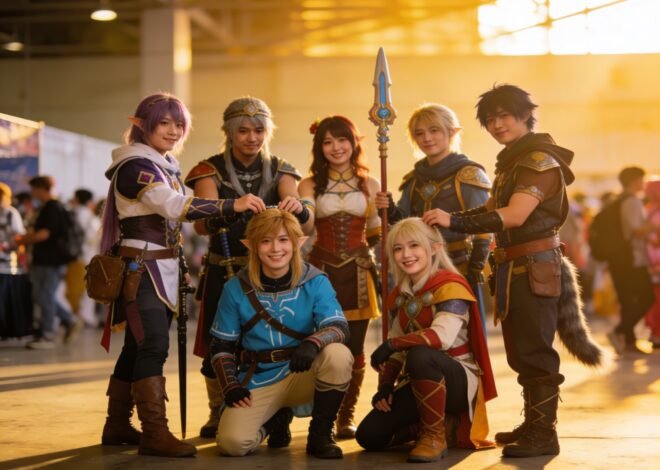
Cosplay represents another major form of fan art where people create and wear costumes to embody their favorite characters. This goes far beyond simply buying a costume – true cosplay involves crafting detailed outfits, styling wigs, creating props, and sometimes even making armor or special effects makeup. The level of craftsmanship in cosplay can be extraordinary, with some fans spending months perfecting every detail of their character’s look.
Why Fans Create Art
People create fan art for many different reasons, but at the core is usually a deep emotional connection to the source material. When a show resonates with someone, they want to engage with it more deeply than just watching episodes. Creating art becomes a way to process their feelings about the story, explore characters more intimately, or extend the narrative in ways that the original creators didn’t.
For many fans, art creation is also about community. Sharing their work online connects them with other people who love the same shows, leading to friendships, collaborations, and a sense of belonging. Fan art communities are often incredibly supportive, with artists encouraging each other, sharing techniques, and celebrating each other’s successes. This positive environment helps artists grow and feel confident in their creative expression.
Some fans create art as a way to process difficult emotions or life experiences. A character’s journey might mirror something they’re going through, and creating art about that character helps them work through their own feelings. Other times, shows provide an escape from stress or challenges, and creating fan art extends that escape while also building a creative skill they can be proud of.
How Shows Inspire Different Art Styles
Different TV shows inspire different artistic approaches based on their visual style, themes, and storytelling. A dark, atmospheric show might inspire moody, dramatic artwork with rich shadows and intense colors. A bright, comedic series might lead to more playful, colorful art with exaggerated expressions and dynamic poses.
Some shows inspire entire artistic movements within fan communities. For example, anime-style shows often lead to digital illustrations that mimic anime aesthetics, while fantasy series might inspire detailed world-building art that expands on the show’s setting. The visual language of the original show provides a foundation, but fan artists often add their own creative twists that make the work uniquely theirs.
The time period and cultural context of a show also influences fan art. Period dramas might inspire historically accurate artwork or modern reinterpretations that place characters in different time periods. Shows with strong cultural elements often lead to art that explores those cultural aspects more deeply, sometimes incorporating traditional art styles or cultural symbols that resonate with fans from those backgrounds.
The Technical Side of Fan Art Creation
Creating fan art involves various technical skills depending on the medium. Digital artists need to master software like Photoshop, Procreate, or Clip Studio Paint, learning about layers, brushes, color theory, and composition. They often study the original show’s art style to understand how to capture the essence of characters while adding their own artistic voice.
Traditional artists develop skills in drawing, painting, sculpting, or crafting that allow them to bring their visions to life. This might involve learning about different types of paint, understanding how light and shadow work, or mastering techniques for creating realistic textures. Many fan artists are self-taught, learning through online tutorials, practice, and experimentation.
Cosplayers face unique technical challenges, needing to understand sewing, foam crafting, 3D printing, electronics for special effects, and wig styling. They often have to solve complex problems like how to create lightweight armor that looks heavy, how to make costumes movable and comfortable for long wear, or how to replicate special effects like glowing elements or transforming parts.
Sharing Fan Art Online
The internet has revolutionized how fan art gets shared and discovered. Platforms like Instagram, Twitter, Tumblr, and DeviantArt allow artists to reach huge audiences instantly. Hashtags help people find art related to specific shows, while fan communities create spaces where artists can share their work with the most interested viewers.
Social media algorithms can help talented fan artists gain significant followings, sometimes leading to professional opportunities. Many artists who started by creating fan art have gone on to work in animation, illustration, or other creative fields. Some have even been hired to create official art for the shows they originally loved as fans.
However, sharing fan art online also comes with challenges. Artists need to navigate copyright considerations, ensuring they’re creating transformative work that falls under fair use rather than direct copies. They also face the emotional challenge of putting their work out there for public criticism, though most fan communities are supportive rather than critical.
Fan Art Events and Conventions
Conventions dedicated to TV shows, movies, and pop culture provide amazing opportunities for fan artists to showcase their work. These events often feature artist alleys where creators can sell prints, commissions, and handmade items. Meeting fans who appreciate their art in person creates powerful connections and can be incredibly validating for artists.
Some conventions host fan art contests with prizes for the best interpretations of show elements. These competitions encourage artists to push their creative boundaries and can lead to recognition from both fellow fans and sometimes even show creators or cast members. Winning or even participating in these contests can be a huge confidence boost for emerging artists.
Live art events at conventions, where artists create work on the spot while interacting with fans, have become increasingly popular. These demonstrations show the creative process in real-time and allow fans to see how their favorite artists work. Some artists even collaborate during these events, combining their different styles to create unique pieces.
The Impact on Original Creators
Many show creators actively encourage fan art, seeing it as a sign that their work has resonated deeply with audiences. Some even share fan art on their official social media accounts, providing exposure and validation to the artists. This positive relationship between creators and fans through art creates a virtuous cycle where great shows inspire great art, which in turn helps the shows reach new audiences.
Some creators have gone even further, commissioning fan artists for official merchandise, featuring fan art in DVD extras, or inviting artists to contribute to special projects. This recognition validates fan art as a legitimate and valuable form of creative expression rather than just amateur work.
However, there are also challenges in the relationship between fan art and original creators. Some companies have strict policies about fan art, especially when it comes to selling derivative works. Most fan artists navigate this by clearly marking their work as unofficial, not using official logos or trademarks, and focusing on transformative rather than directly copied elements.
The Business Side of Fan Art
Many fan artists turn their passion into small businesses, selling prints, commissions, and handmade items featuring their interpretations of show elements. Online marketplaces like Etsy, Redbubble, and Society6 make it easy to reach customers worldwide. Some artists create Patreon accounts where fans can support their work through monthly subscriptions in exchange for exclusive content.
The pricing of fan art can be complex, as artists need to consider their time, materials, and the fact that they don’t own the original characters or concepts. Most successful fan artists focus on creating unique, transformative work that adds something new rather than simply copying existing art. They also often create original characters or designs alongside their fan art to build a more sustainable business.
Social media marketing plays a crucial role in fan art businesses. Artists use platforms to build their brand, connect with potential customers, and showcase their process. Many find that consistency in posting, engaging with their audience, and creating work related to trending shows helps grow their following and sales.
Learning and Growing Through Fan Art
Creating fan art provides an excellent way to develop artistic skills. Working with established characters and worlds gives artists a foundation to build on while they practice techniques like anatomy, perspective, color theory, and composition. Many artists find that fan art helps them overcome the intimidation of creating entirely original work by giving them a starting point.
The fan art community also provides valuable learning opportunities. Artists share tutorials, give feedback, and collaborate on projects, creating an environment where everyone can improve together. Online art schools and courses often use fan art as a teaching tool, recognizing that passion for a subject helps students stay motivated to learn.
Some fan artists use their work to explore new mediums or techniques they might be hesitant to try with original art. The familiar subject matter makes experimentation less risky, allowing artists to develop confidence in their abilities. This experimental approach often leads to unexpected creative breakthroughs that influence their original work as well.
The Future of Fan Art
As technology continues to evolve, new forms of fan art are emerging. Virtual reality allows artists to create immersive 3D fan art experiences, while artificial intelligence tools help with certain aspects of the creative process. 3D printing makes it possible to create physical objects from digital designs, opening up new possibilities for prop making and sculpture.
The growing acceptance of fan art in professional creative fields suggests an even brighter future. More companies are recognizing the value of fan-created content and finding ways to work with rather than against fan artists. This could lead to more official opportunities for fan artists to contribute to the shows and franchises they love.
However, the core of fan art will likely remain the same – passionate people expressing their love for stories through creative work. As long as shows continue to move and inspire people, fans will find ways to create art that celebrates and extends those stories in beautiful, meaningful ways.
Frequently Asked Questions (FAQ)
What exactly counts as fan art?
Fan art is any creative work made by fans that features characters, settings, or concepts from TV shows, movies, books, or other media they didn’t create themselves. This includes drawings, paintings, digital art, sculptures, cosplay, crafts, and even writing or music inspired by the original work. The key is that it’s created by someone other than the original creators and is inspired by their work.
Is it legal to sell fan art?
The legality of selling fan art exists in a gray area. Technically, fan art uses someone else’s intellectual property, which can be a copyright issue. However, most companies tolerate non-commercial fan art as a form of free promotion. Selling fan art is more complicated and depends on factors like how transformative the work is, whether it uses official logos or trademarks, and the specific policies of the copyright holder. Many fan artists focus on selling at conventions or through online platforms while being careful not to infringe on copyrights.
How do I get started creating fan art if I’m not very skilled?
Everyone starts somewhere! Begin by choosing a show you really love and picking a simple subject, like a favorite character’s face. Use reference images from the show to help with proportions and details. Practice regularly, even if it’s just for a few minutes each day. Watch online tutorials, join beginner-friendly art communities, and don’t be afraid to share your work. Remember that improvement comes with time and practice, and many successful fan artists started with very basic skills.
What’s the difference between fan art and copyright infringement?
The line between fan art and copyright infringement often comes down to how transformative the work is. Fan art becomes problematic when it’s essentially a direct copy of official artwork or uses protected elements like logos, exact character designs, or specific catchphrases. Transformative fan art adds significant original creative elements, reinterprets characters in new styles or situations, or combines elements in ways that create something new. Most fan artists stay safe by focusing on creative interpretation rather than direct reproduction.
How can I find other fan artists to connect with?
Social media platforms are great places to find fan art communities. Search for hashtags related to your favorite shows combined with terms like #fanart or #digitalart. Join Discord servers or Facebook groups dedicated to specific shows or fandoms. Participate in art challenges or collaborations that bring artists together. Many fan artists are active on platforms like Instagram, Twitter, and Tumblr, and they often follow and support each other’s work. Conventions and local art events also provide opportunities to meet fellow fan artists in person.
Conclusion
Fan art represents one of the most beautiful aspects of modern fandom – the way people take stories that touch their hearts and transform them into new creative expressions. Whether it’s a detailed painting of a beloved character, a handcrafted cosplay costume, or a digital illustration that reimagines a favorite scene, fan art keeps stories alive and growing in the hearts and minds of audiences.
The community that has grown around fan art is equally impressive, with artists supporting each other, sharing techniques, and creating spaces where creativity can flourish. This supportive environment helps artists of all skill levels improve their craft while connecting with others who share their passions. The result is a vibrant ecosystem of creativity that benefits both the artists and the shows that inspire them.
As shows continue to create compelling characters and stories that resonate with audiences, fan art will undoubtedly continue to evolve and grow. New technologies will create new possibilities, but the fundamental drive to express love for a story through art will remain the same. In a world where so much content competes for our attention, the fact that people choose to spend their time and energy creating art inspired by their favorite shows is a powerful testament to the impact that good storytelling can have.